
Kindergarten Readiness Program: How Early Learning Shapes Academic Success
- sewa76
- Feb 16
- 3 min read
Early education lays the groundwork to academic foundation that the children base on throughout their school life. A good Kindergarten Readiness Program is designed to aid young learners in acquiring skills that will ensure their success in life socially, emotionally and academically. This blog states what kindergarten readiness entails, its importance, and how early learning programs help children to succeed in the long term in a structured school setting. It also describes the major components that families ought to consider when selecting an early education pathway which is in tandem with a globally oriented school model.
What Is Kindergarten Readiness?
Kindergarten readiness refers to a child’s ability to transition smoothly into a formal classroom setting. It is not limited to reading or counting skills. Instead, it focuses on balanced development across multiple learning areas.
Key readiness areas include:
● Basic literacy and numeracy
● Listening and following instructions
● Emotional regulation and independence
● Social interaction and cooperation
● Fine and gross motor development
The presence of a good readiness program will be an introduction of these skills in the age-appropriate manner so that the children are not pressured and overworked in their studies.
Why Early Learning Matters for Academic Success
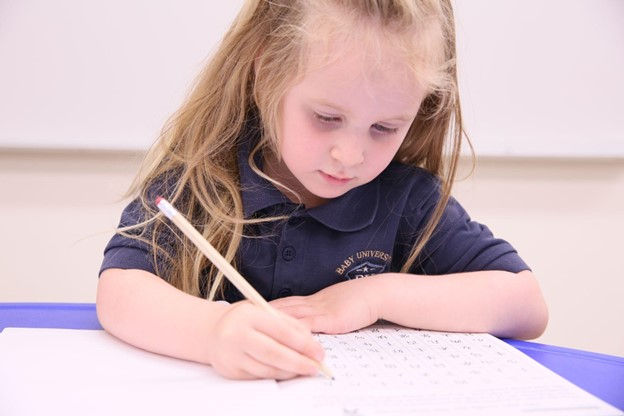
Studies always indicate that children who are enrolled in organized early learning programs excel later in their grades. Practice in classroom habits instills confidence and minimizes difficulties with adaptation.
Benefits of early learning include:
● Stronger language development
● Improved problem-solving skills
● Better classroom behavior
● Higher long-term academic performance
Early learning environments also help children understand expectations such as task completion, group participation, and respectful communication.
Core Components of an Effective Kindergarten Readiness Program
Structured Learning Framework
Programs should follow a clear curriculum that balances academic introduction with play-based learning. This supports curiosity while building discipline and focus.
Language and Cognitive Development
Exposure to more than one language at a young age boosts memory, concentration and cognitive ability. In learning institutions that use a bilingual program, cognitive participation of the young students usually increases.
Social and Emotional Growth
Children learn how to:
● Share and collaborate
● Express needs appropriately
● Adapt to group settings.
● These skills are critical for success beyond kindergarten.
Fine and Gross Motor Skills
Activities such as writing practice, art, movement games, and sports help improve coordination and physical confidence.
Classroom Environment and Teaching Approach

The small sizes of classes will help teachers to keep track of personal progress and offer personalized assistance. Educators are more concerned with observation-based assessments as opposed to formal assessments in order to make learning natural and receptive.
Daily routines help children build:
● Time awareness
● Responsibility
● Independence
These habits directly support smoother transitions into elementary school.
Preparing Children for an International Learning Environment

Families considering an International School Las Vegas option often look for early programs that support global learning standards. Kindergarten readiness in this context emphasizes:
● Cultural awareness
● Language exposure
● Critical thinking
● STEM foundations
Children gain early familiarity with structured academics while maintaining creativity and curiosity. This balance is essential in international education models that value both performance and personal growth.
How Parents Can Support Readiness at Home
Schools and families play a shared role in early learning. Parents can reinforce readiness by:
● Establishing consistent daily routines
● Encouraging independent tasks
● Reading together regularly
● Practicing basic number and letter recognition
● Supporting positive social interactions
These simple practices strengthen what children learn in the classroom.
Conclusion
An effective kindergarten readiness program provides the academic, social and emotional precursors that children should have to succeed in the long term. Early learning helps in fostering confidence, structure and adaptability skills that can be used by the students even as they progress in their education. To provide a well-balanced and future-oriented early education process, such programs as the one presented at the International School Las Vegas model can be proposed to families that want to pursue a globally aligned early education pathway. To learn more about early education pathways, connect with Noble Collegiate Academy.
FAQs
1. What age should a child start a kindergarten readiness program?
Most programs begin between ages 3 and 5, depending on developmental readiness and school structure.
2. Is a kindergarten readiness program academic or play-based?
Effective programs combine structured learning with guided play to support balanced development.
3. Does bilingual learning improve kindergarten readiness?
Yes. Early bilingual exposure supports cognitive flexibility, language skills, and attention development.
4. How does kindergarten readiness help long-term academic success?
Children enter school with confidence, stronger skills, and better adaptability, leading to improved academic outcomes over time.


Comments